Thinking about a move to Brownsville? You are not alone. Brownsville offers a warm climate, easy access to the coast, a strong sense of history, and a daily lifestyle that can feel more connected to the outdoors than many other cities in the Rio Grande Valley. If you are trying to picture what life here is really like, this guide will walk you through the city’s character, neighborhoods, recreation, dining, and cultural scene so you can decide whether Brownsville fits your goals. Let’s dive in.
What Living in Brownsville Feels Like
Brownsville has a lifestyle shaped by both geography and culture. The city sits near the Gulf of Mexico and on the U.S.-Mexico border, which gives it a distinct local rhythm and a blend of coastal, historic, and border influences.
The city describes Brownsville as having a semitropical climate with an average temperature of 74°F, average rainfall of 25.55 inches, and average relative humidity of 75.25%. For many new residents, that translates into more time outside, more casual weekend plans, and a routine that can include parks, trails, and beach trips throughout much of the year.
Another part of Brownsville’s appeal is convenience. The city notes that South Padre Island and Matamoros are only minutes away, which adds to the feeling that you are living in a place with easy access to both coastal recreation and cross-border culture.
Brownsville Has Old and New Sides
One of the most helpful things to know before moving here is that Brownsville does not feel the same from one area to the next. Instead of one uniform housing experience, you will find historic central districts, cultural areas, park-connected neighborhoods, and newer residential growth in other parts of the city.
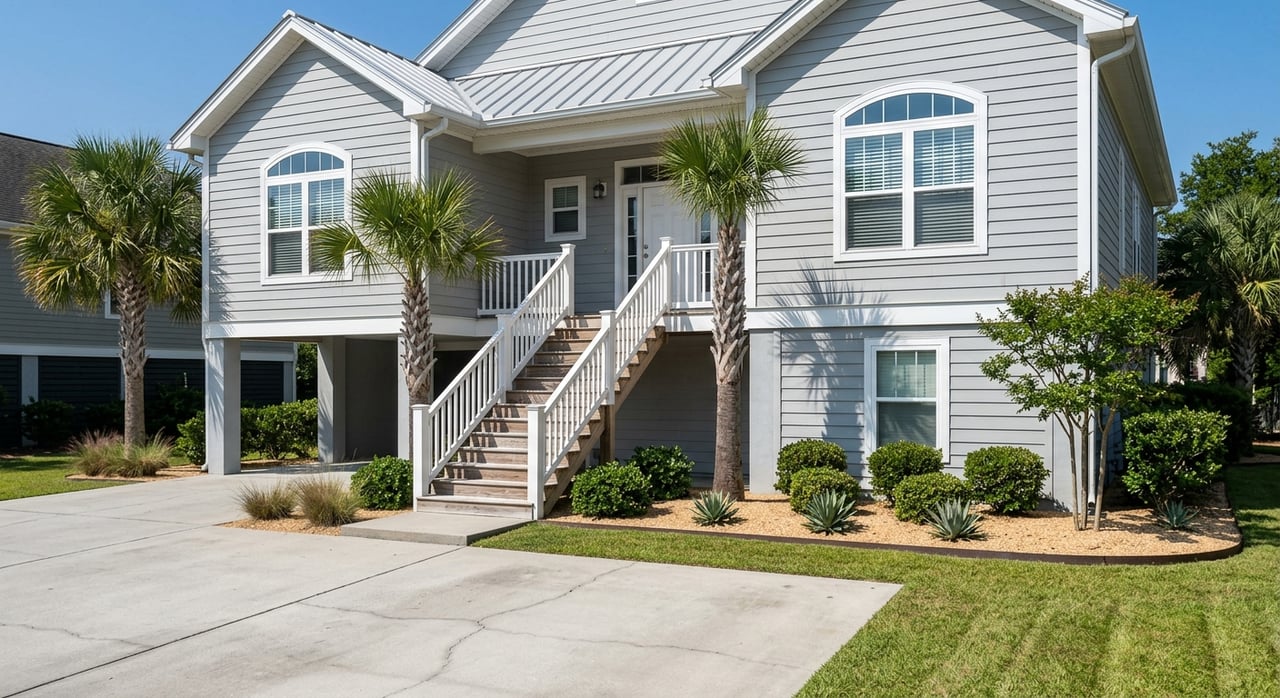
That variety matters when you start your home search. Some buyers want preserved architecture and a more established urban setting, while others want newer construction, planned amenities, and room to grow.
Downtown Brownsville and Historic Areas
Downtown Brownsville is a major part of the city’s identity. The city describes downtown as the hub and heart of Brownsville, and it has been named a National Historic District.
The Central Brownsville Historic District, designated in 2019, includes an area bounded by East Levee, East 10th, East Monroe, and East 15th/East 14th streets, with a two-block extension along East Elizabeth Street. The city’s Historic Preservation Office also notes that Brownsville’s built resources date back to the 1840s, which gives central Brownsville a depth and character that stands out in the region.
If you enjoy older architecture, local history, and a setting with civic and cultural anchors close together, these central areas may feel especially appealing. They offer a different experience from newer subdivisions and can be a strong fit for buyers who want a more established setting.
Mitte Cultural District
The Mitte Cultural District adds another layer to central Brownsville living. Created to promote historical, cultural, educational, and family activities, the district is anchored near Dean Porter Park and includes attractions that are within walking distance of one another.
The district includes key destinations such as the Gladys Porter Zoo, Dean Porter Park, the Children’s Museum of Brownsville, the Brownsville Farmers Market, the Historic Brownsville Museum, and Washington Park. For residents, that means everyday life can include easy access to outings, community events, and public spaces without needing a major day trip.
Newer Neighborhoods and Planned Amenities
If your priority is newer construction and built-in amenities, Brownsville also offers a different side of city living. One of the clearest examples is the Madeira Master Planned Community.
In 2025, the city described Madeira as Cameron County’s first master-planned community. Plans include more than 13 miles of hike-and-bike trails, parks, pools, tennis courts, clubhouses, restaurants, and retail, which positions this area as an amenity-rich option for buyers who want a more active and planned residential setting.
For many buyers, this kind of neighborhood offers convenience and predictability. You may find that newer communities in central and west-side areas are a strong fit if you want trail access, recreational features, and a more recent housing inventory.
Outdoor Living Is a Big Part of Life Here
Brownsville stands out for its outdoor access. If you like walking, biking, birding, parks, or quick coastal getaways, that part of the lifestyle is not just a bonus here. It is part of daily life.
The city says Brownsville has more than 34 miles of developed trails, and recent projects have expanded connections to nearby communities. That kind of network can make it easier to build outdoor activity into your routine instead of treating it like an occasional weekend event.
Brownsville Trails and Local Parks
The Historic Battlefield Trail is one of the city’s signature recreation features. It is a 9-mile hike-and-bike path that runs from Linear Park to Palo Alto Battlefield National Historical Park, and the city describes it as the spine of Brownsville’s hike-and-bike network.
Brownsville also has neighborhood-scale parks that support active living across the city. Monte Bella Trails Park in the West Alton Gloor area includes bike trails, mountain biking, a fitness court, and a playground, while Heritage Trail Park is part of the Paseo De La Resaca Trail System and offers bird watching, paved paths, playgrounds, and views of the resaca.
This spread of local parks matters because it shows outdoor recreation is not limited to one destination. Many areas of Brownsville connect residents to activity, green space, and scenic settings close to home.
Nature and History Nearby
Palo Alto Battlefield National Historical Park is about ten miles north of downtown Brownsville and connects to the Brownsville Historic Battlefield Trail. That makes it a practical outing for residents who enjoy combining exercise, local history, and open space.
Resaca de la Palma State Park is also in Brownsville and is part of the World Birding Center. According to Texas Parks and Wildlife, it is about a 40-minute drive from South Padre Island and Brownsville’s historic downtown, reinforcing how closely nature access ties into everyday life here.
Beach Access Sets Brownsville Apart
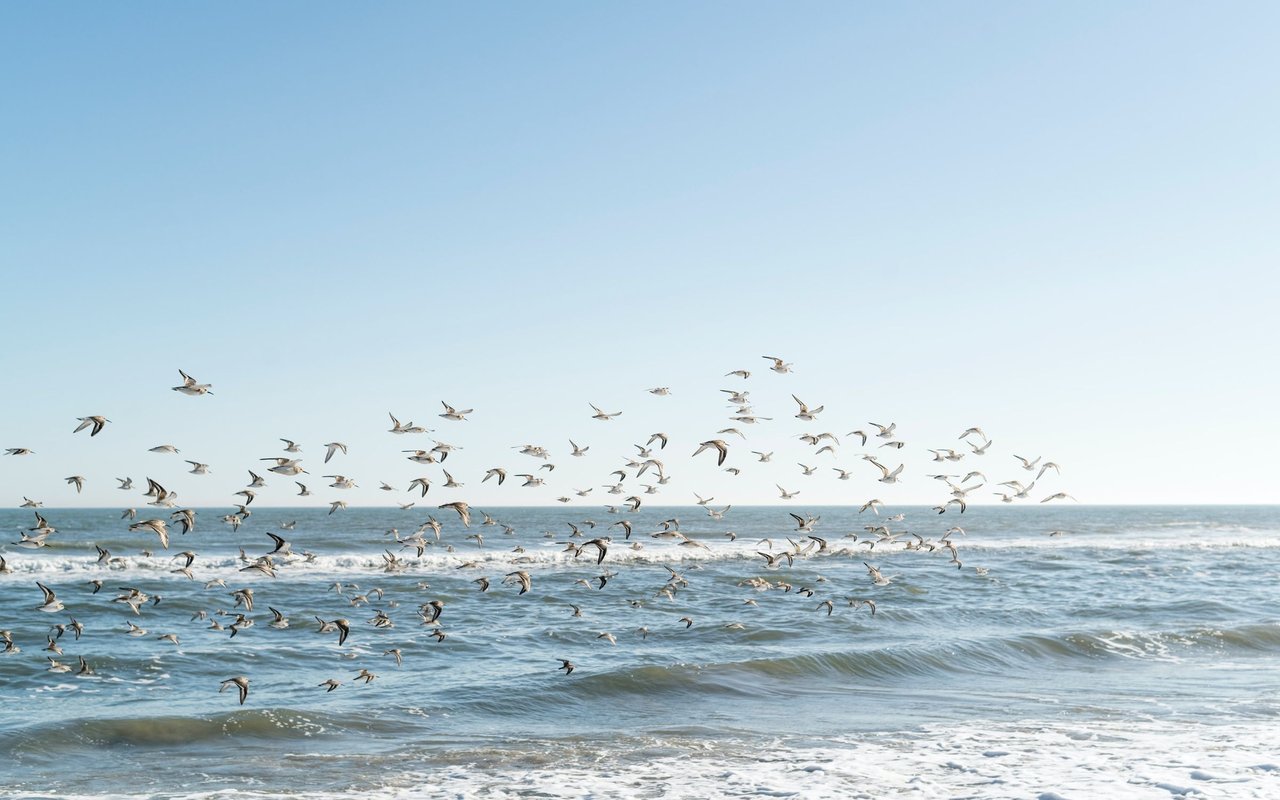
For many people considering a move, coastal access is one of Brownsville’s strongest lifestyle advantages. Visit Brownsville says Boca Chica Beach offers 8 miles of undeveloped white sand and is open to vehicles, campers, anglers, surfers, and sunbathers.
The city also highlights that residents regularly visit South Padre Island because it is only minutes away. If you are comparing Brownsville with other Rio Grande Valley communities, that easy access to beaches, bay activities, and birding areas is a major differentiator.
Dining and Local Flavor
Brownsville’s food scene is a big part of its identity. The local dining culture is shaped by tacos, border flavors, seafood, and casual neighborhood favorites, giving residents plenty of approachable options for everyday meals and weekend outings.
The city has referenced Brownsville’s taco trail in public announcements, and local visitor information reinforces that branding. In addition to taco-focused spots, visitor listings point to a range of restaurants that includes seafood favorites like The Oyster Bar, casual local places like Vermillion Restaurant and Watering Hole, and broader options such as Toscafino and 1848 BBQ.
For new residents, this means dining out can feel local, familiar, and varied without needing a major occasion. Brownsville’s restaurant scene reflects the city itself: casual, rooted in place, and influenced by both coast and border.
Culture and Family Activities
Brownsville offers more than one type of social life. It is not only a beach-access city or a historic city. It also has a family-friendly cultural core with attractions that can fit into regular routines.
One major example is Gladys Porter Zoo, which describes itself as an oasis in the center of Brownsville. The zoo spans 31 acres, houses about 1,600 animals, and holds AZA accreditation, giving residents access to a major local attraction close to the city center.
When you combine the zoo with museums, park spaces, the farmers market, and the broader Mitte Cultural District, Brownsville starts to feel more layered than many people expect. You can build a lifestyle here around outdoor activity, cultural outings, dining, or a blend of all three.
Who Brownsville May Appeal To
Brownsville can be a strong fit for several types of buyers because the city supports different living preferences. The best match depends on what you want your day-to-day life to look like.
You may be drawn to Brownsville if you want:
- Historic districts with preserved architecture and a stronger sense of place
- Newer neighborhoods with planned amenities and trail access
- Easy access to parks, biking, and birding
- A city where beach trips can be part of your normal routine
- A mix of dining, culture, and outdoor recreation in one market
That range is one reason Brownsville continues to stand out in the Rio Grande Valley. It gives you options, and those options can feel very different depending on the part of the city you choose.
What to Think About Before You Move
Before choosing a neighborhood, it helps to think beyond the house itself. In Brownsville, lifestyle often comes down to how close you want to be to downtown, trails, parks, cultural attractions, or newer master-planned development.
You may want to ask yourself a few practical questions:
- Do you prefer historic character or newer construction?
- Would you use trails, parks, or recreation amenities regularly?
- Do you want quicker access to downtown attractions or a more suburban layout?
- How important is beach access for your weekend routine?
If you are relocating from outside the area, this is where local guidance becomes especially valuable. A neighborhood that looks similar on paper can feel very different once you understand the setting, pace, and nearby amenities.
Brownsville offers a lifestyle that blends warmth, history, recreation, and coastal convenience in a way that is hard to duplicate elsewhere in the region. Whether you picture yourself near the historic core, in a newer amenity-rich community, or somewhere with quick access to trails and parks, the city offers several ways to feel at home.
If you are thinking about buying, relocating, or investing in Brownsville, working with a local team who understands both inland neighborhoods and coastal lifestyle goals can make your search much more focused. Gallo Realty offers personalized guidance, hands-on support, and local insight across Brownsville and the Rio Grande Valley.
FAQs
What is daily life like in Brownsville, TX?
- Brownsville offers a warm, outdoor-oriented lifestyle shaped by its semitropical climate, historic districts, trail network, and access to nearby beaches.
What parts of Brownsville have the most historic character?
- Downtown Brownsville, the Central Brownsville Historic District, and the Mitte Cultural District are the city’s most prominent historic and cultural areas.
Are there newer neighborhoods in Brownsville, TX?
- Yes. Brownsville includes newer residential growth areas, including the Madeira Master Planned Community, which the city says will include trails, parks, pools, tennis courts, clubhouses, restaurants, and retail.
What outdoor activities are popular in Brownsville?
- Popular outdoor activities in Brownsville include walking, biking, birding, park outings, visiting nature areas, and taking day trips to beaches such as Boca Chica Beach and South Padre Island.
Does Brownsville have good access to trails and parks?
- Yes. The city says Brownsville has more than 34 miles of developed trails, including the 9-mile Historic Battlefield Trail, along with neighborhood parks such as Monte Bella Trails Park and Heritage Trail Park.
Is Brownsville, TX close to the beach?
- Yes. Brownsville offers convenient access to Boca Chica Beach, and the city says South Padre Island is only minutes away.