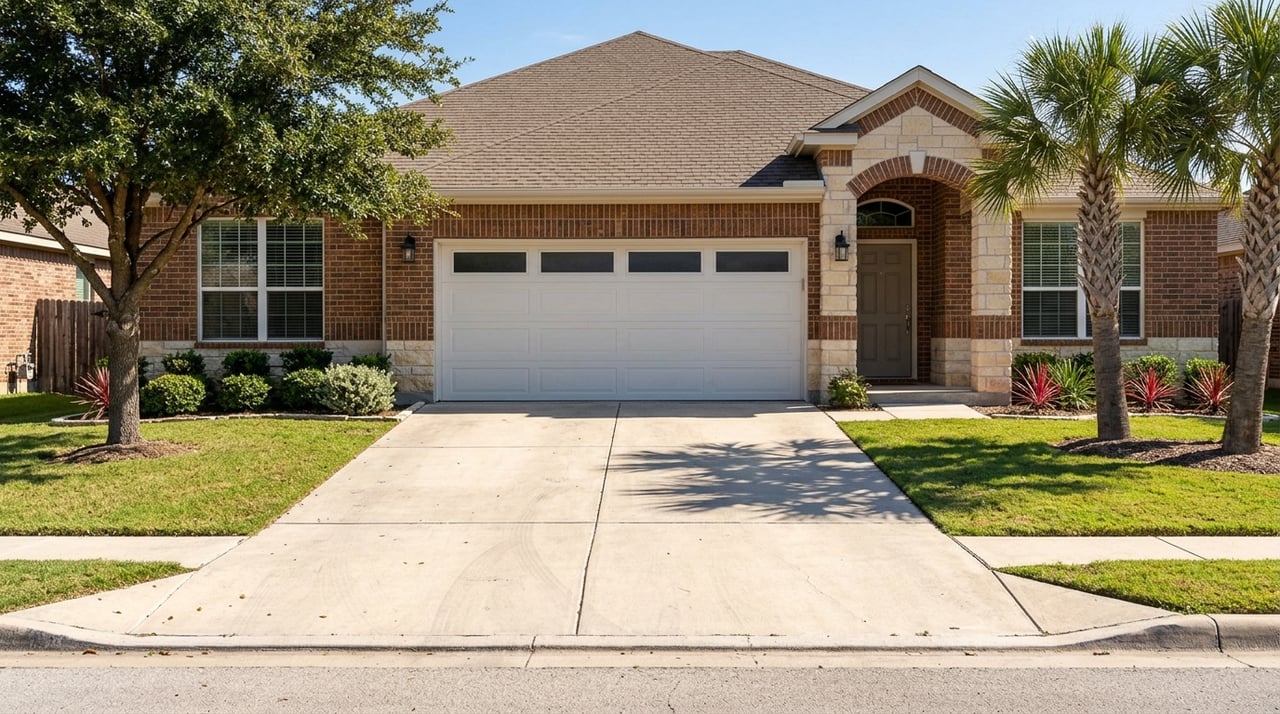
Ready for more space, a better commute, or a neighborhood that fits your next chapter a little better? If you are moving up in McAllen, the biggest decision is often not the house itself, but where that house sits. The good news is that McAllen gives you real choices, and this guide will help you compare them with more confidence. Let’s dive in.
Why neighborhood choice matters
For move-up buyers, buying your next home is usually about more than square footage. You may want a shorter drive, better access to parks and trails, a different lot setup, or a neighborhood that better matches your day-to-day routine.
McAllen gives you a broad mix of established areas and newer growth pockets. Census QuickFacts shows a 2024 population of 148,782, with a 2025 estimate of 150,640, and 28.2% of residents are under 18. That helps explain why so many buyers here focus on practical lifestyle factors like commute time, schools, and long-term resale.
The local housing picture also supports a more thoughtful search. Census data shows 59.5% owner-occupied housing and a median owner-occupied home value of $190,400, while a recent Zillow snapshot placed McAllen’s typical home value near $229,034 and median days to pending around 93. In plain terms, you may have time to compare neighborhoods carefully, but you still want to be ready when the right home comes along.
Established areas vs newer subdivisions
There is no one-size-fits-all answer in McAllen. The better fit depends on how you live now and how you want to live in the next five to ten years.
What established neighborhoods can offer
Established central neighborhoods often appeal to buyers who want more mature surroundings, closer-in access, and a different street feel than a newer subdivision. McAllen’s strategic planning shows the city continues to focus on redevelopment in parts of the core, including the old Sam Houston school site and higher-density residential development in the Preserve area and southwest quadrant.
That can be a plus if you value location and existing city access. It also means you should look closely at changing land use nearby, street condition, and drainage details before you commit.
What newer subdivisions can offer
Newer growth areas can appeal to buyers who want newer construction, more standardized design, and community amenities. The city describes Tres Lagos as a 2,461-acre commercial and residential development in far north McAllen and identifies it as a growth area tied to major public infrastructure investment.
For some move-up buyers, that kind of area checks a lot of boxes. You may find newer homes, more uniform neighborhood planning, and stronger HOA or amenity packages, but you should still compare each subdivision on its own terms.
Compare neighborhoods the smart way
When you move up, it helps to compare neighborhoods with a checklist instead of relying on first impressions. A beautiful kitchen matters, but your daily experience will be shaped by what happens outside the front door.
Check your real commute
McAllen’s mean travel time to work is 21.9 minutes, according to Census QuickFacts. That sounds manageable, but your real commute depends on your exact route, not just distance on a map.
TxDOT is improving the I-2 and I-69C interchange and studying an I-69 connector to improve regional mobility. For you, that means it is worth looking at how a neighborhood connects to expressways, work, the airport, and the places you actually go every week.
Before making an offer, test the drive during the times you would normally travel. A neighborhood that looks close on paper can feel very different in practice.
Verify schools by address
For many move-up buyers, school planning is one of the biggest neighborhood filters. McAllen ISD says it earned an A rating in 2025, serves about 20,000 students across 31 campuses, and offers open enrollment for PK-4.
Just as important, the district tells families to verify attendance zones and bus routes using address-specific tools. That means you should never assume a home is assigned to a certain campus based on a listing description or neighborhood name alone.
Compare lot size and HOA rules
One common mistake is assuming newer automatically means bigger. In McAllen, that is not always true.
Because the city is encouraging some higher-density residential patterns alongside master-planned growth, lot size should be checked property by property. It is smart to review the plat, setbacks, and any HOA rules so you understand how the home will actually function for you.
You should also ask practical questions like these:
- How much yard do you really want to maintain?
- Are there HOA restrictions that affect parking, additions, or exterior changes?
- Does the neighborhood include amenities you will actually use?
- Is nearby development likely to change the feel of the area over time?
Use McAllen’s GIS tools
One of the best local tools for comparing neighborhoods is McAllen’s GIS platform. The city says the system is meant to help residents and staff make better decisions about city assets, infrastructure, and new development.
For buyers, that matters because the map includes layers for parks and trails, development and zoning, FEMA flood zones, drainage projects, HOA coverage, retail locations, bicycle stations, and Metro bus routes. Instead of guessing, you can compare areas using the same kinds of details that shape daily life and long-term value.
Flood, drainage, and carrying costs
For move-up buyers, monthly cost and property risk matter just as much as the purchase price. In McAllen, flood and drainage should be evaluated at the neighborhood level, not treated as a citywide yes-or-no question.
Review drainage before you buy
McAllen GIS includes FEMA flood zones and drainage information. The city’s drainage mapping references features like inlets, detention facilities, flood gates, and open drains in the storm-water system.
That does not mean one neighborhood is automatically better than another. It means you should check the specific property and nearby infrastructure before writing an offer, especially if drainage is a top concern for your household.
Understand property tax basics
In Texas, property tax is locally assessed and administered. Exemption applications are filed with the county appraisal district, and the general deadline is before May 1.
Hidalgo County’s Tax Office directs residents to tax records, tax rates, and appraisal information. For your move-up budget, that means you should confirm the property tax picture early rather than making assumptions based on the seller’s current bill.
Think ahead to resale
Your next home should work for you now, but it should also make sense later if your needs change again. In McAllen, resale is likely to depend on more than size alone.
The city is investing in both core revitalization and growth corridors, so strong resale candidates often combine several practical advantages at once. Things like school assignment, commute profile, drainage, HOA costs, and the overall neighborhood product can all shape how appealing the home will be to the next buyer.
A smart move-up purchase usually tells a clear story. It is not just a bigger home. It is a home in a location that makes sense for everyday life.
A simple neighborhood checklist
If you are narrowing down options in McAllen, use this quick checklist before you move forward:
- Confirm school assignment by address
- Drive the commute at real times of day
- Review flood zone and drainage context
- Check HOA rules and monthly costs
- Compare lot size instead of assuming
- Look at nearby parks, trails, retail, and transit access
- Review surrounding development and zoning patterns
- Verify property tax assumptions and exemptions
The more clearly you compare neighborhoods, the easier it is to know when a home is truly the right fit.
Choosing your next neighborhood in McAllen is really about matching your future routine to the right location. Whether you are deciding between an established central area and a newer subdivision, or weighing lot size against convenience, a thoughtful comparison can save you stress and help you buy with confidence. If you want a hands-on, personalized approach to your next move in the Rio Grande Valley, Gallo Realty is here to help.
FAQs
What should McAllen move-up buyers compare first?
- Start with the factors that affect daily life most: commute route, school assignment by address, drainage or flood context, HOA rules, lot size, and nearby amenities.
Are older or newer McAllen neighborhoods better for move-up buyers?
- Neither is automatically better. Established areas may offer closer-in location and a different street feel, while newer subdivisions may offer newer construction and planned amenities.
Do McAllen buyers need to verify school zones by address?
- Yes. McAllen ISD says attendance zones and bus routes are address-specific, so you should confirm them for each property you consider.
What local tool helps compare McAllen neighborhoods?
- McAllen’s GIS platform is a strong starting point because it includes flood zones, drainage projects, zoning, HOA coverage, parks, trails, transit, and retail layers.
What should buyers check before making an offer in McAllen?
- Before writing an offer, check school assignment, commute route, drainage or flood zone, HOA restrictions, property tax assumptions, and whether nearby growth could change the area over time.